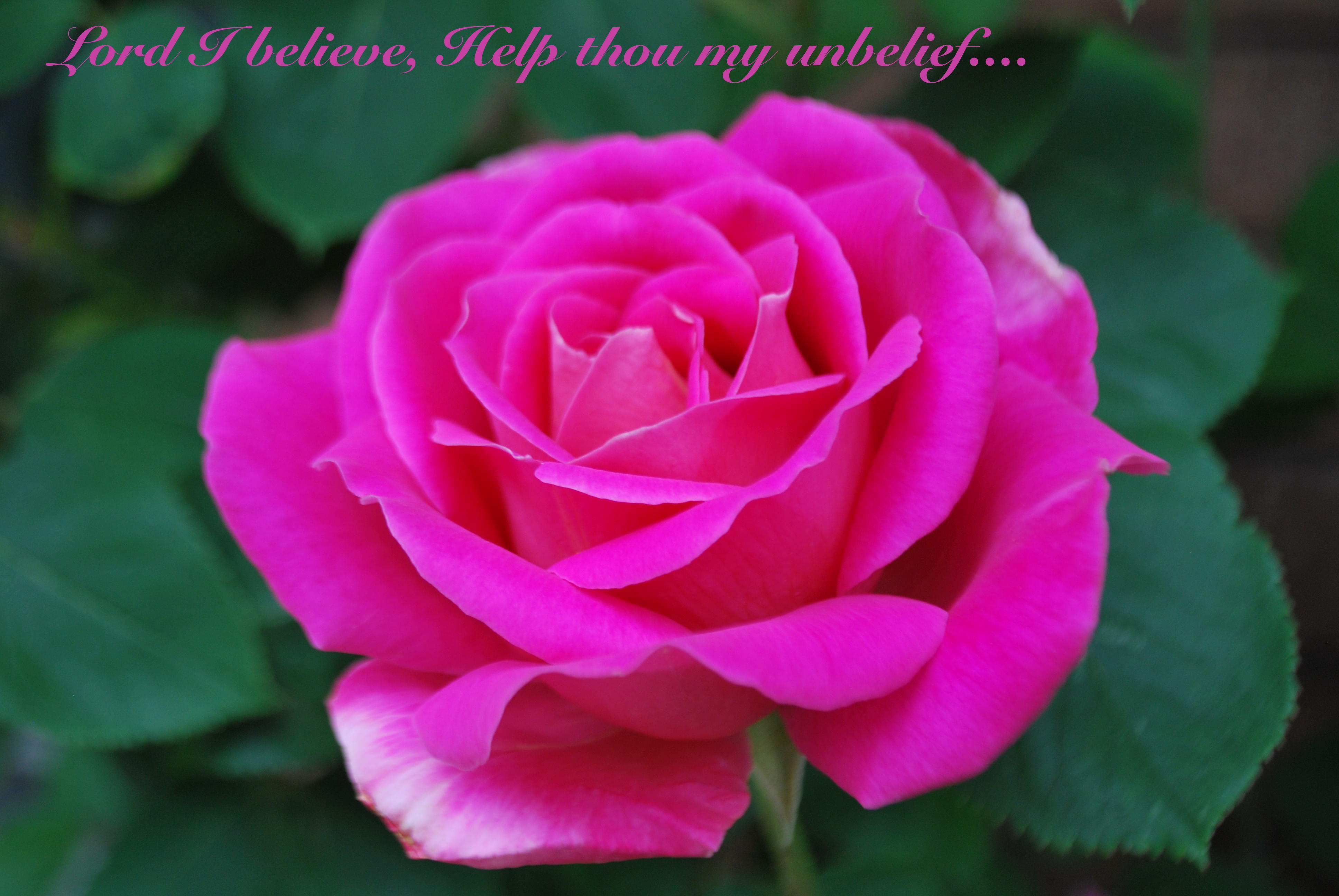
We are a “people of the word.” In our culture, women like to decorate their homes with words; words such as FAITH, BELIEVE, SIMPLIFY or in my case RELAX are displayed prominently around our homes. Cut from wood, stuck to walls with vinyl and cross-stitched by those with more patience, they are subtle reminders of values we hold dear. There is one word, though, that is often maligned and frequently misunderstood that you mostly likely will not find being sold at Mormon Handicraft, but if I was proficient with a jigsaw, I think I would make one for my mantle. The word is DOUBT. Like the alloy added to gold to give it strength, doubt must be added to faith to make it strong enough to withstand the wear and tear of mortal life.

This month, many of the dear women in my life, mothers, sisters and daughters will share a message as they visit in each other’s homes. They will remind each other and themselves not to doubt and how by being valiant and courageous they can protect their children from these challenging times. And, I am afraid in the back of their minds they may think of those who have “doubted” and “not kept with precision certain covenants.” Perhaps, there will even be some pain as they reflect on this perceived lack of courage. So, for this reason, I will share my love of a word, a word often kept outside of conversations, a word often left on the fringe of discussions of belief, but yet a word deeply experienced by any seeker of truth.
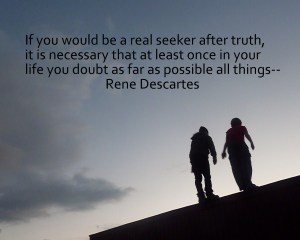
Paul Tillich, considered by many to be the greatest theologian of the twentieth century, would often remind us that doubt is not the opposite of faith, but it is an element of faith. Doubt is part of all religions and all religious thinkers were doubters. To understand doubt we must first understand faith. I love this definition by Wilfred Smith:
Faith is a quality of human living. At its best it has taken the form of serenity and courage and loyalty and service: a quiet confidence and joy which enable one to feel at home in the universe, and to find meaning in the world and in one’s own life, a meaning that is profound and ultimate, and is stable no matter what may happen to oneself at the level of immediate event. Men and women of this kind of faith face catastrophe and confusion, affluence and sorrow, unperturbed; face opportunity with conviction and drive; and face others with cheerful charity.
The opposite of this kind of faith is not doubt but nihilism or the belief that life is without meaning, purpose or value.
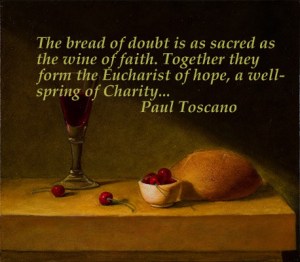
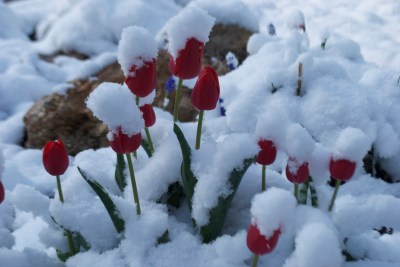
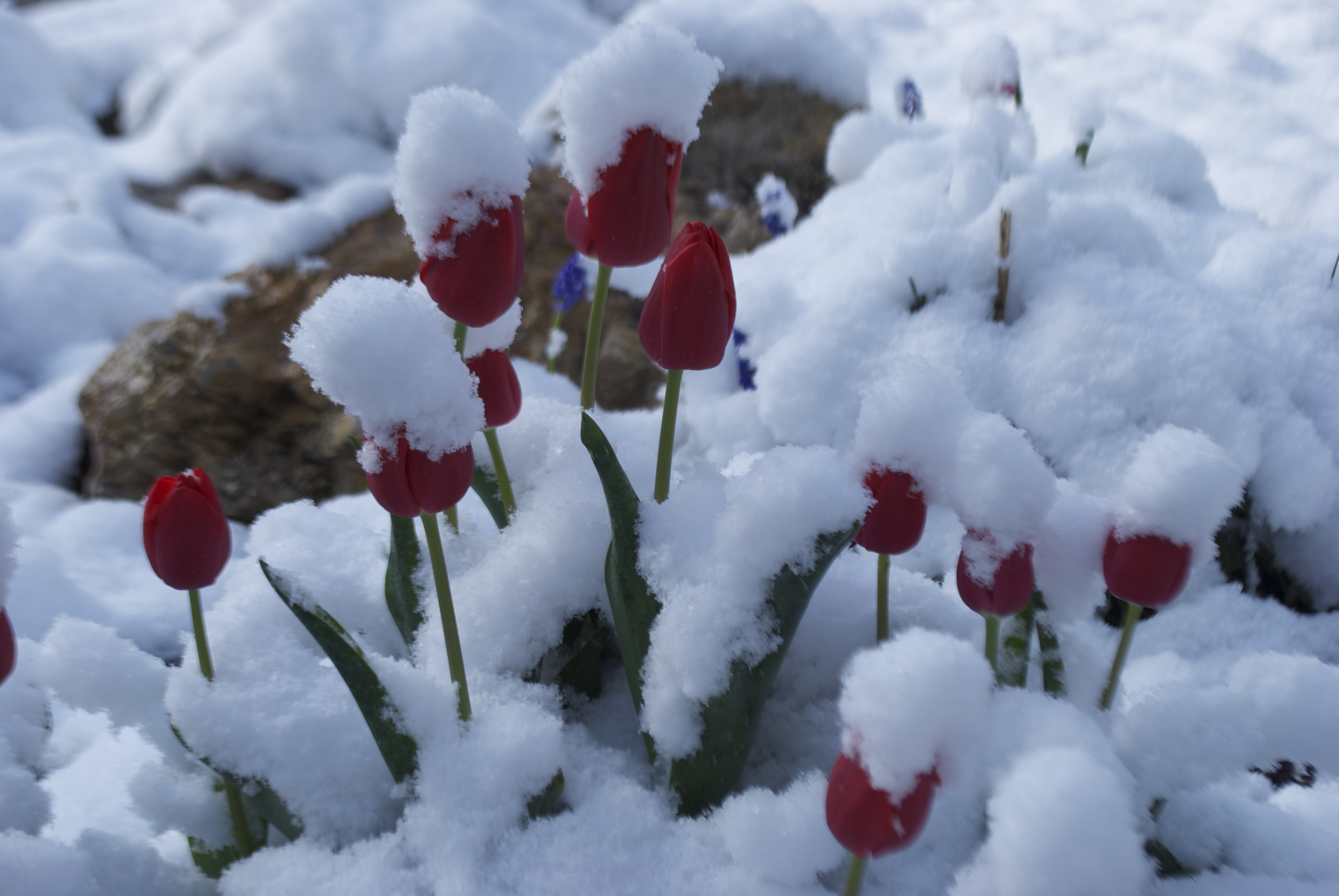
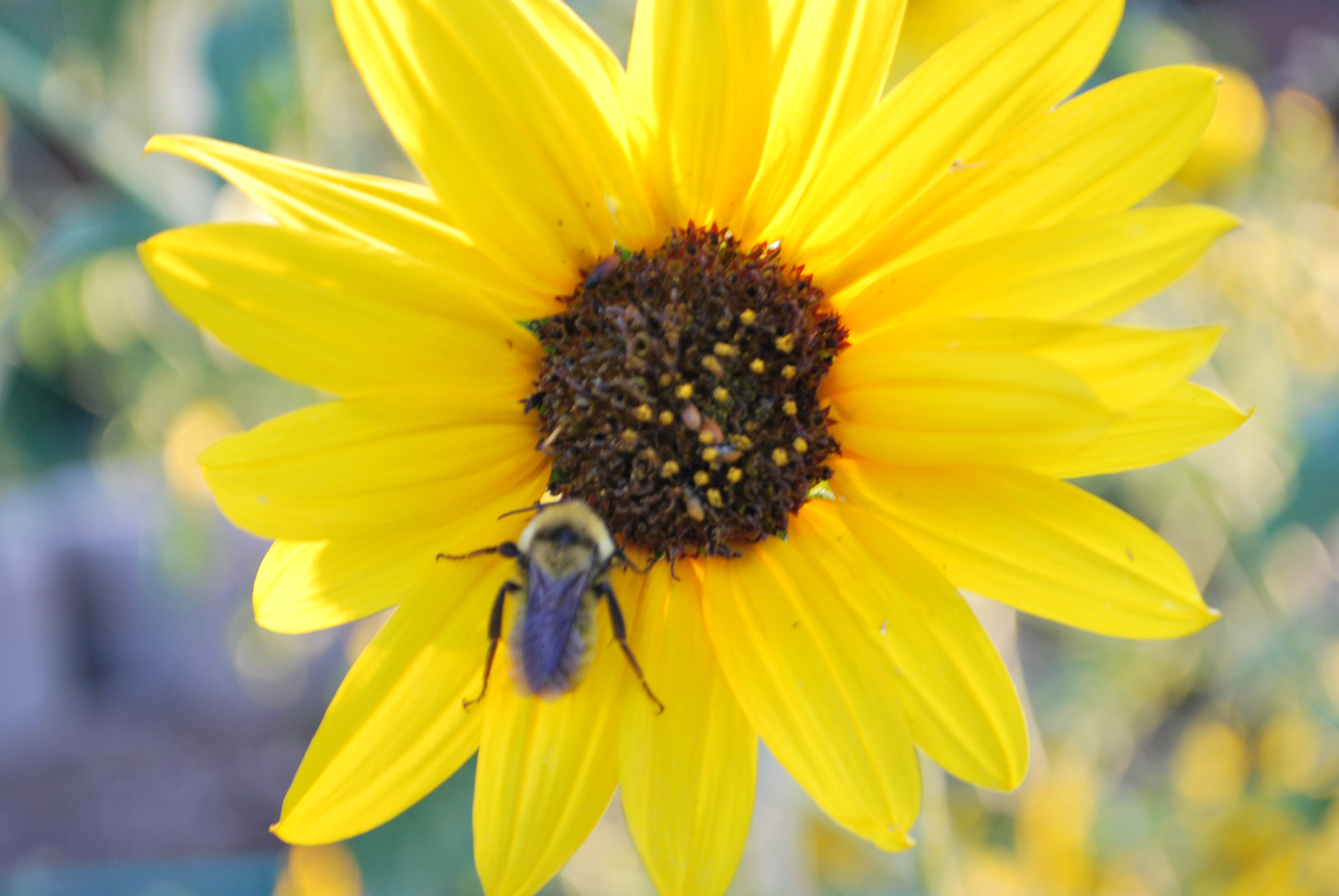
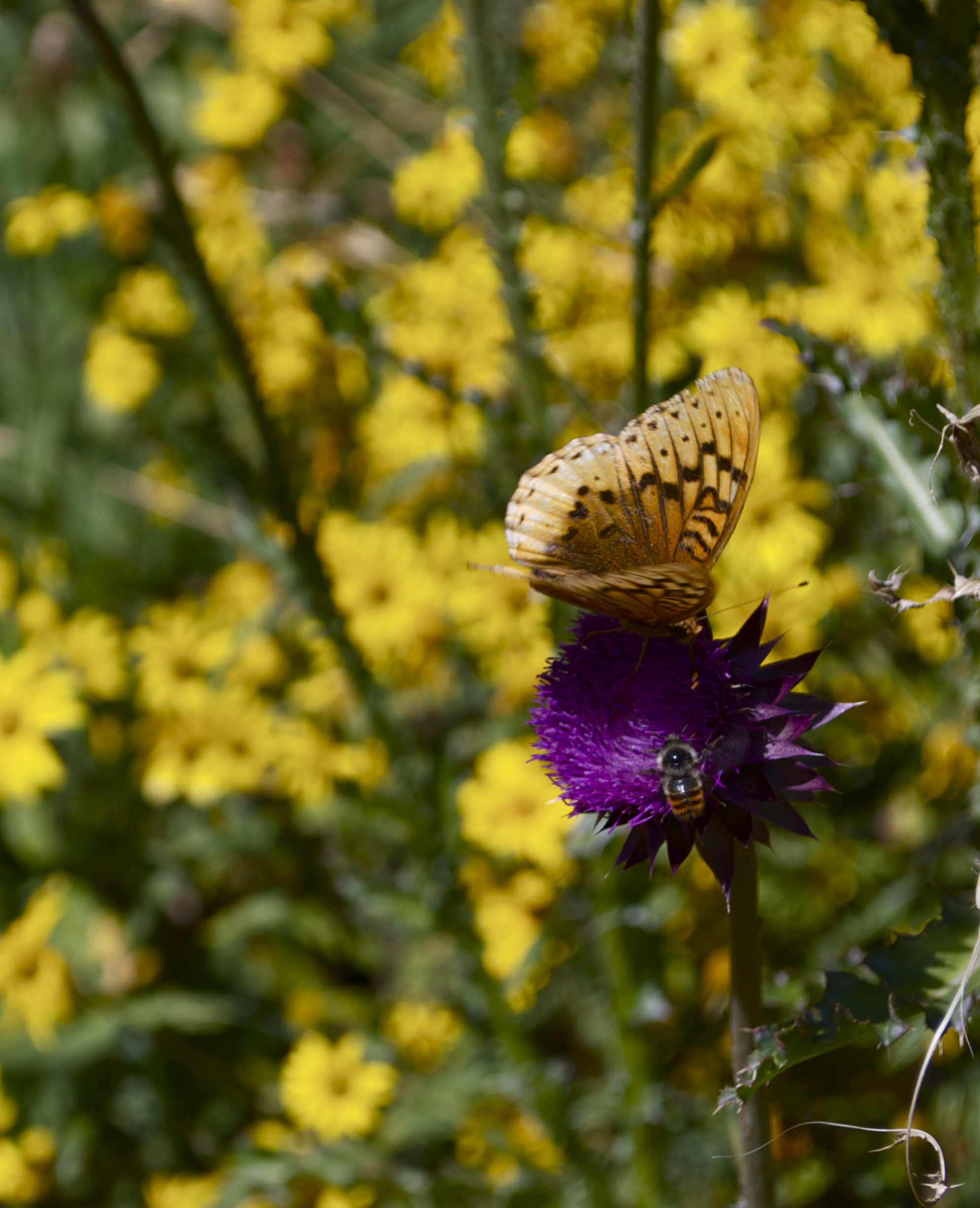
As summer wanes, I find myself spending more and more time outdoors, clinging to the blossoms in my garden, soaking in their beauty, taking a few minutes each day to smell the roses and simply sitting and enjoying the fruits of this year’s gardening season. I remain aware that in a few weeks, a cold snap will in one day kill almost every plant. I will then have to pull out the dead, rake, turn over the soil and cover it with compost while the cold of winter moves me indoors. Yet, through those cold dark months, the tulip bulbs, that last year had one bloom, will divide and multiply to put forth a show in spring-double what it was last year. My roses will be taller and more prolific and my canna lilies will eventually fill the entire space under my windows. As Jesus taught, “I tell you the truth, unless a kernel of wheat falls to the ground and dies, it remains only a single seed. But if it dies, it produces many seeds.” I don’t know if that makes it easier or not. Winter brings growth to my garden, nighttime restores a tired body and “the dark night of the soul” has expanded and renewed my spirit.

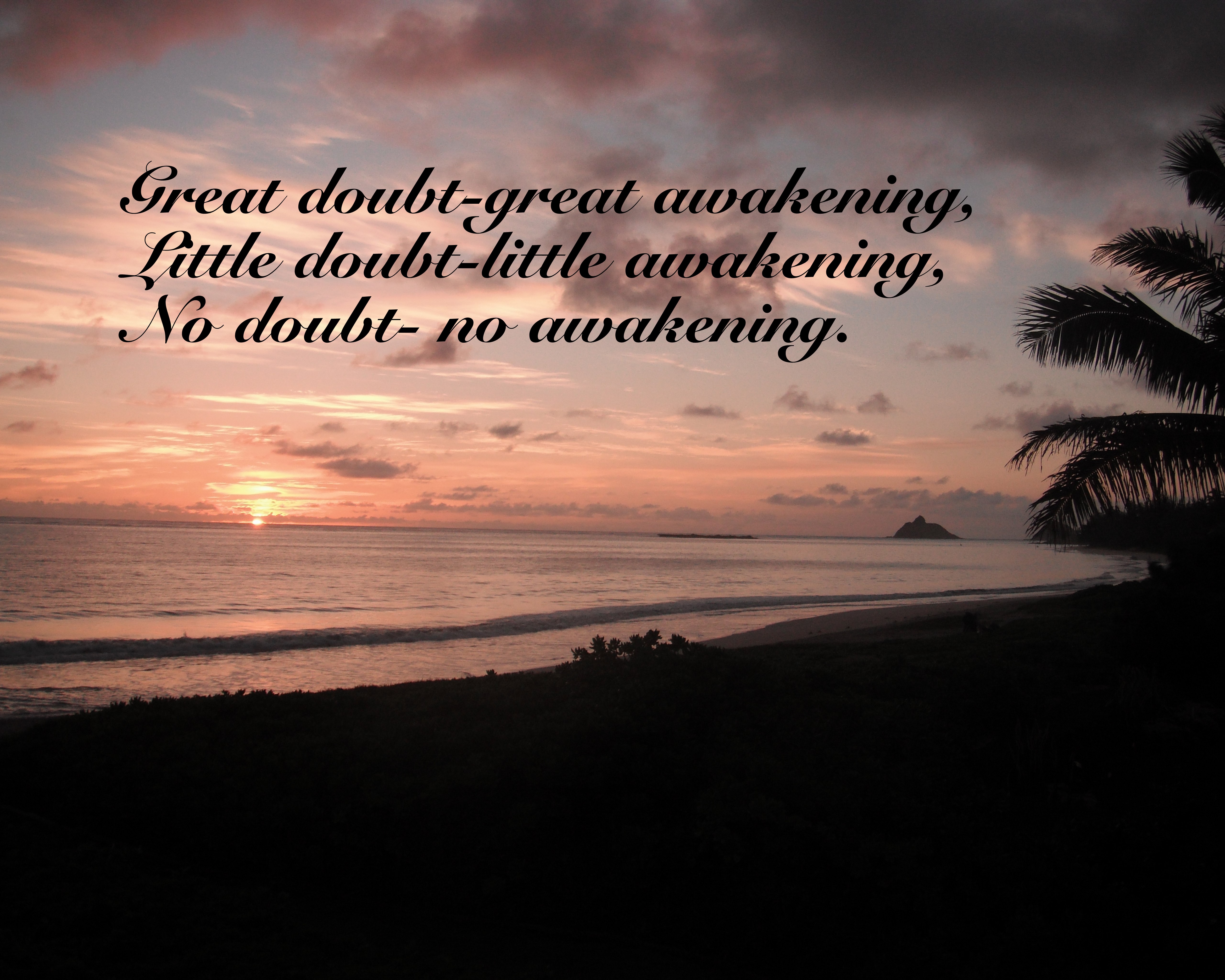
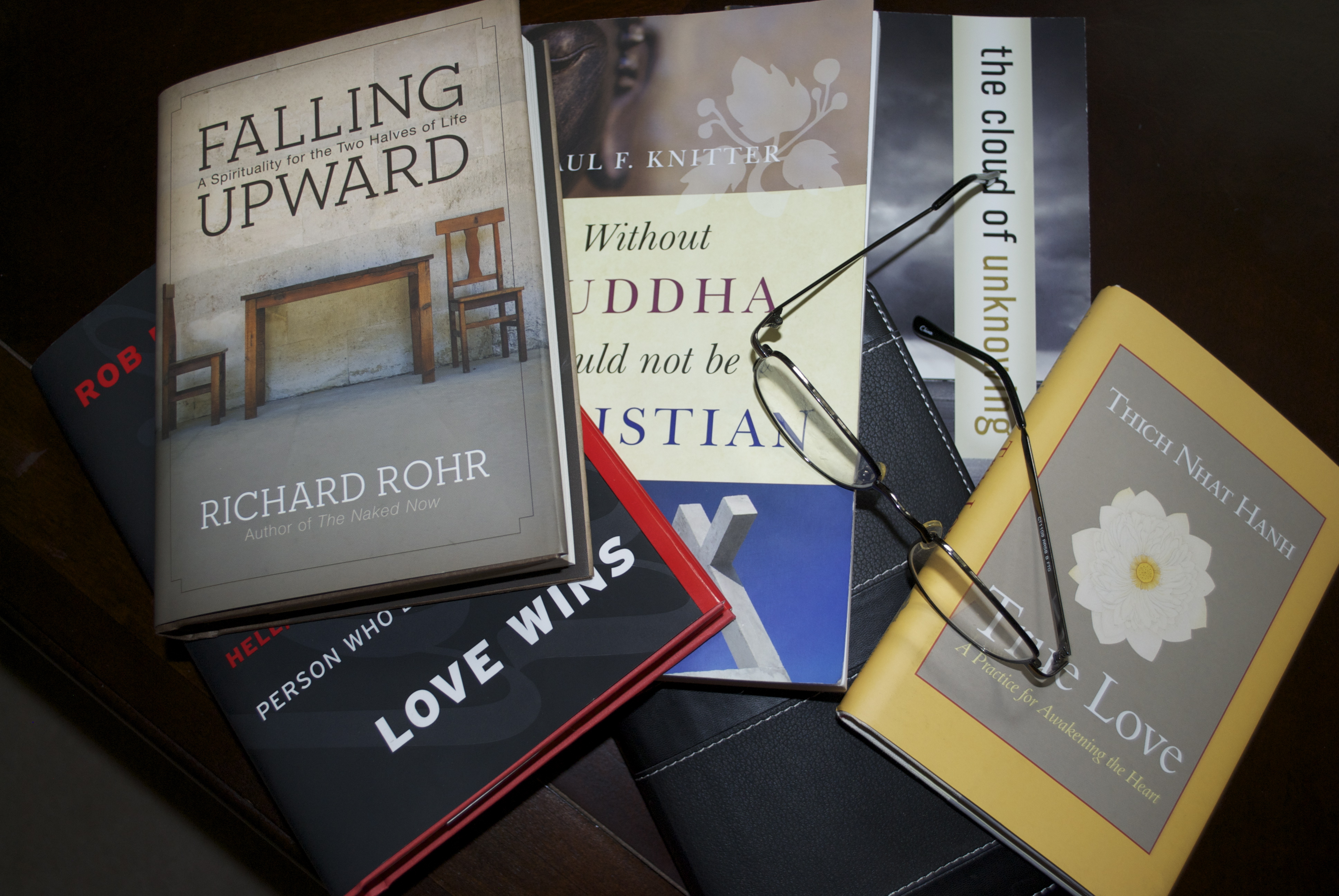
Growth always comes from letting go; doubt helps us to do this. Like the grief cycle, with all of her messy children-denial, anger, bargaining and depression; the faith cycle can also bring healing, acceptance and growth. Growth must continue through all the years of our life. Is there ever a time when we can declare, “I am all grown up now?” “When I was a child, I spake as a child, I understood as a child, I thought as a child; but when I became a woman I put aside childish things. For now we see through a glass darkly; but then face to face; now I know in part; but then shall I know even as also I am known.” Seeing through a glass darkly means not everything is done with exactness, but as Paul prefaced his remarks, it is done with charity, especially for ourselves. As an adult, I have learned to not be afraid of the dark. I have learned that spring follows winter. And as Richard Rohr shares in his book, Falling Upward, I have learned that “to hold the full mystery of life is always to endure its other half, which is the equal mystery of death and doubt. To know anything in full is always to hold that part of it which is mysterious and unknowable.” I have learned that I feel much closer to God sitting in the cloud of unknowing than I ever did as a “mother who knew.”

















 Peace, Love and a little Rock n' Roll